A professional approach to restoring clarity and balance

Why Consistent Sun Protection Matters
Many people associate sunscreen primarily with outdoor activities or beach days. In reality, ultraviolet exposure occurs daily, even during routine activities such as driving, walking outdoors, or sitting near windows.
Ultraviolet radiation is present year-round and can penetrate clouds, meaning that sun exposure continues even on overcast days.
Over time, cumulative sun exposure contributes to:
- Premature skin aging
- Uneven pigmentation
- Loss of skin elasticity
- Increased risk of skin damage
Using sunscreen daily is one of the most effective ways to protect the skin from these long-term effects.
Clinical Insight
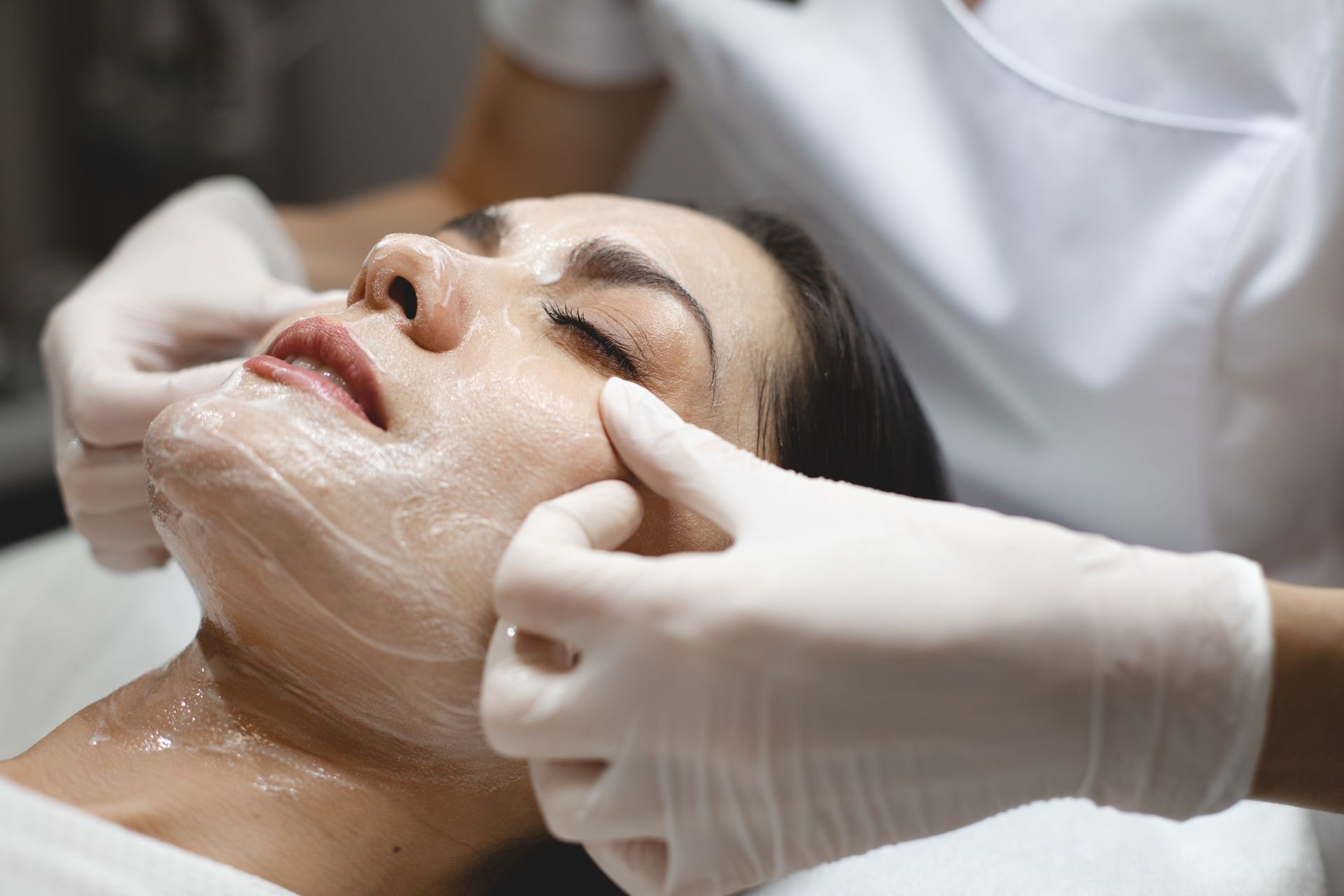
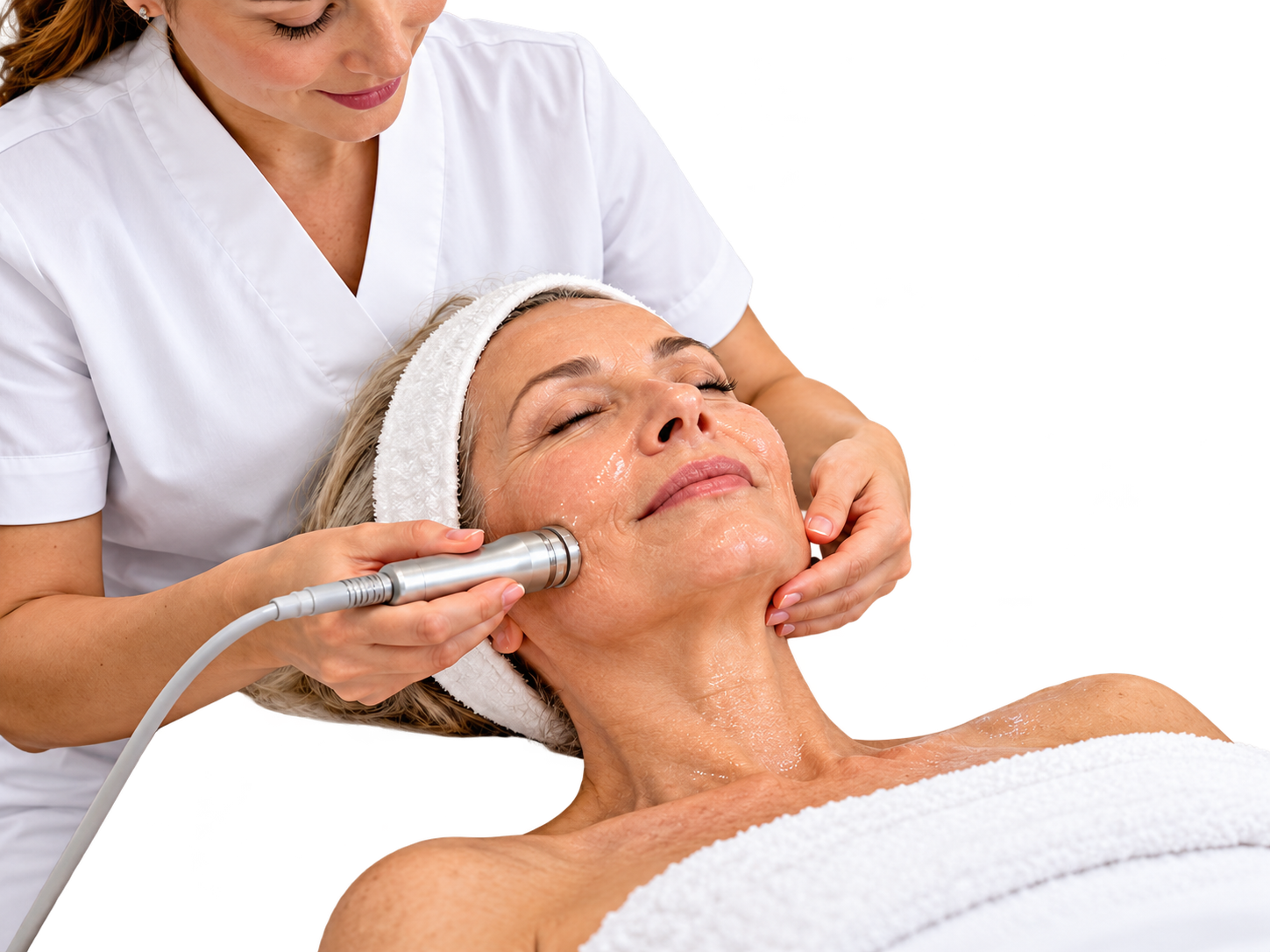
During summer months, increased sun exposure and environmental stress can accelerate visible signs of aging and uneven skin tone. Treatments such as the Vitamin C Brightening Facial help defend the skin while restoring radiance.
Another important layer of protection comes from topical antioxidants, particularly L-ascorbic acid (pure vitamin C). Research dating back to the early 1990s demonstrated that properly formulated topical L-ascorbic acid can enhance the skin’s natural protection against ultraviolet damage by helping neutralize free radicals generated by sun exposure.
Vitamin C appears in many cosmetic formulations, but L-ascorbic acid is the biologically active form recognized by the skin. When used correctly, it functions as a powerful antioxidant that helps defend the skin from environmental damage while supporting collagen health and overall skin brightness.
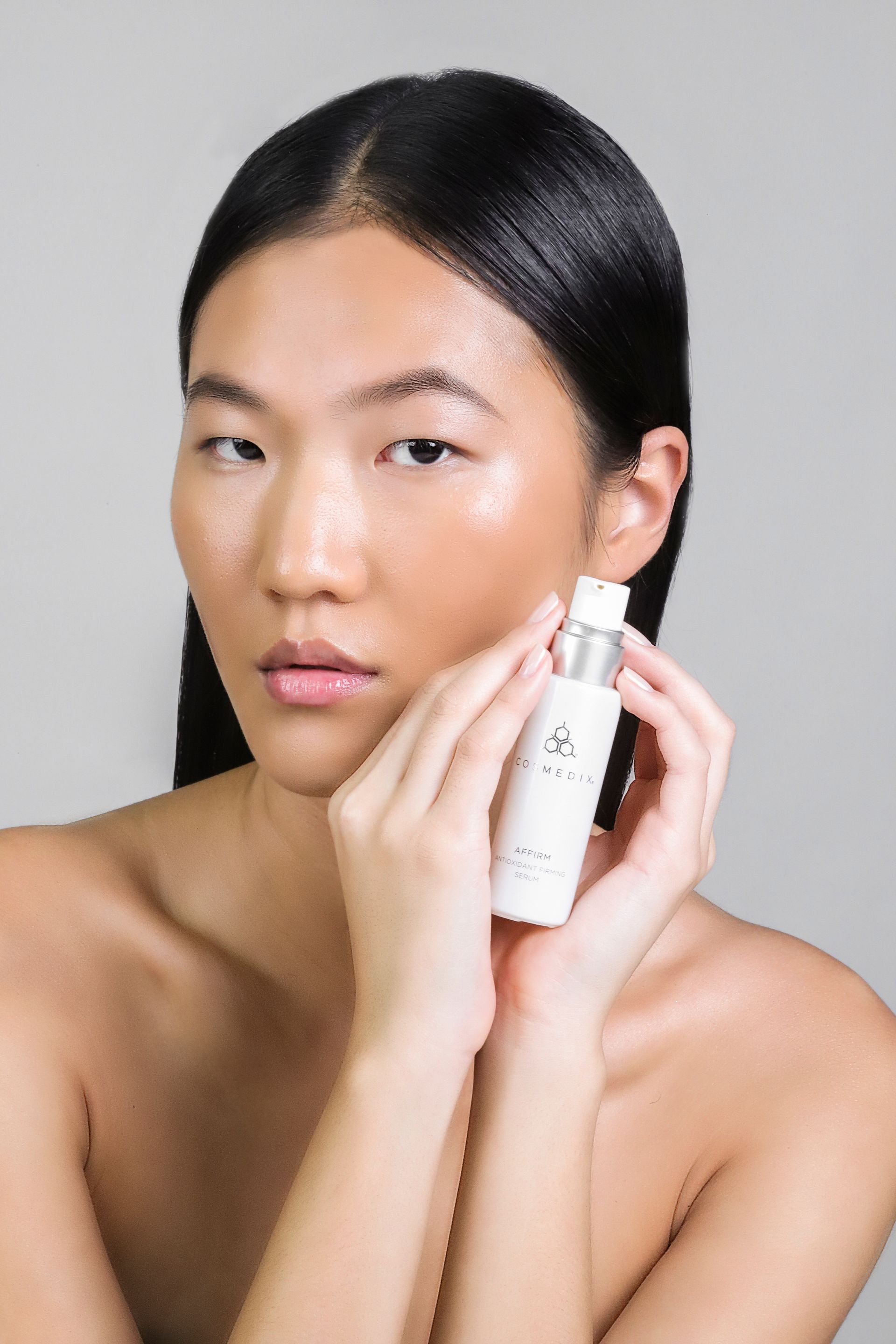
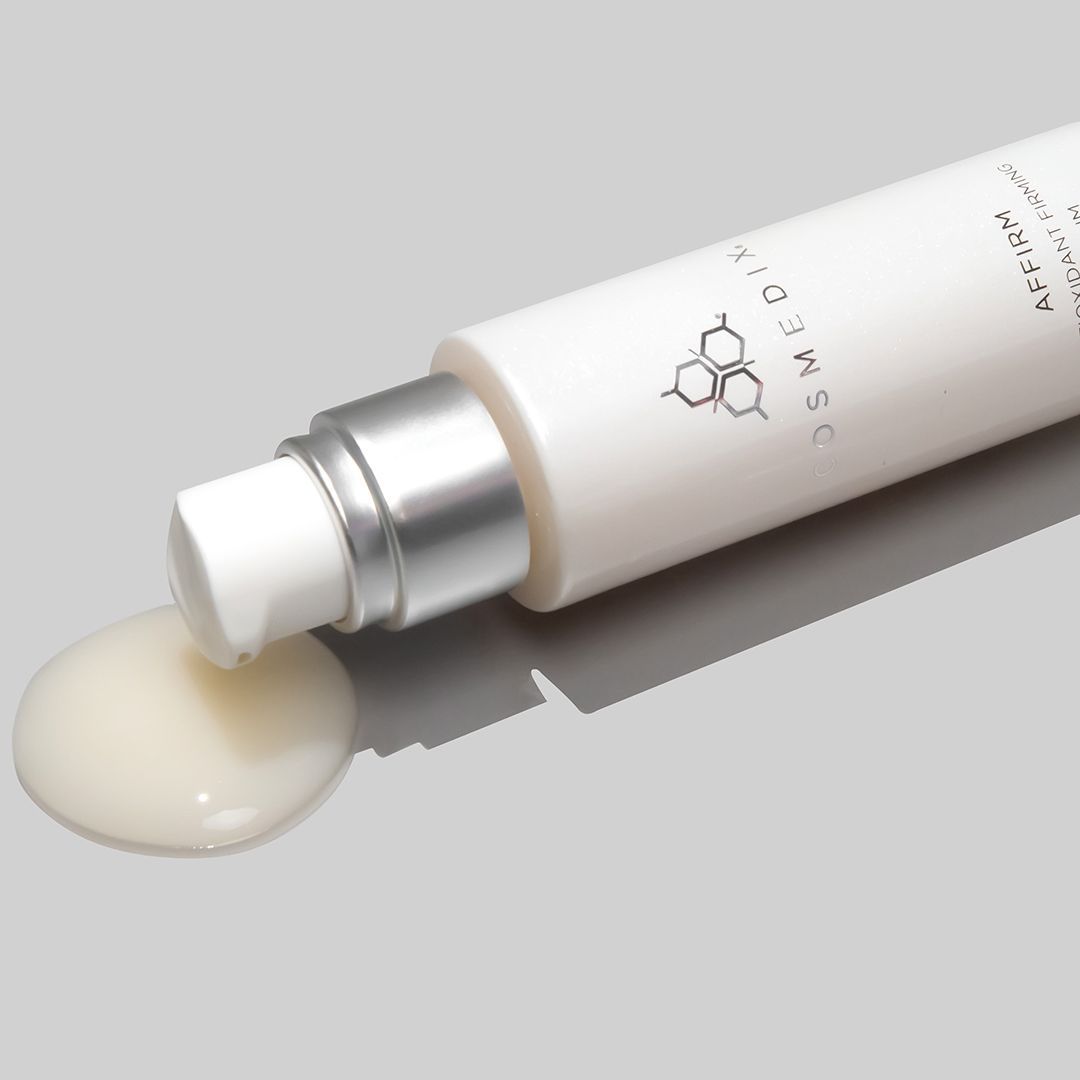
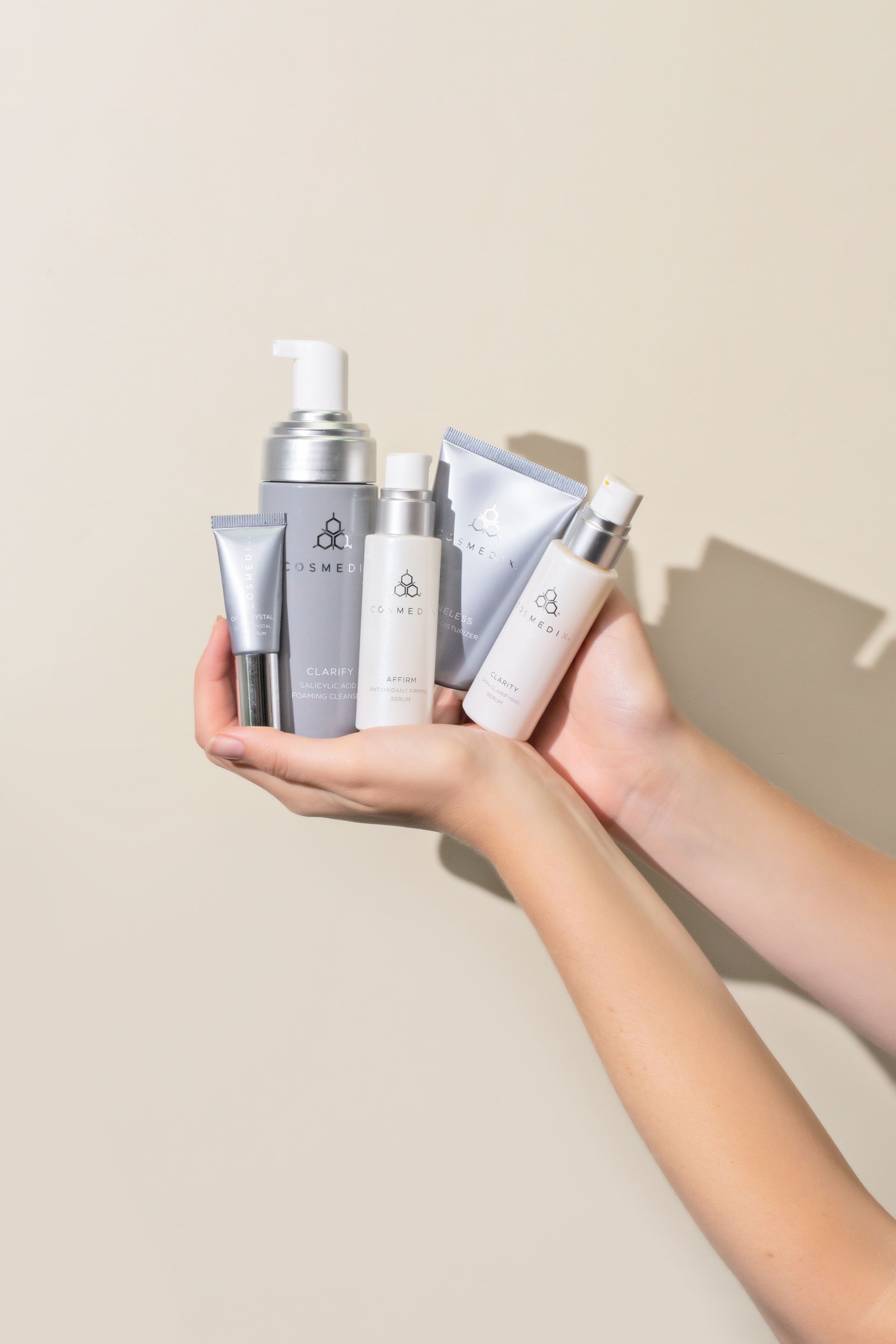
An excellent daily habit is applying a vitamin C serum containing L-ascorbic acid in the morning, like our Revert, Brilliancy, Pepoxide, Affirm or Pure C followed by a moisturizing sunscreen of SPF 15 or higher. This combination provides antioxidant protection along with sunscreen protection, helping support the skin’s natural defense mechanisms. Hyperpigmentation serums such as Simply Brilliant, and X-Cell target stubborn discoloration and brighten your skin.
It is also important to remember that no sunscreen lasts all day. Reapplication is essential, particularly during prolonged outdoor exposure. Sunscreen should typically be reapplied every two hours when outdoors.
Additionally, sunscreen effectiveness can decline over time. Expiration dates matter, and products from the previous summer may no longer provide reliable protection.
Dermatology professionals generally recommend a broad-spectrum sunscreen with an SPF of 15 or higher. Anything beyond an SPF 30 is generally just doubling your chemicals and not necessarily adding much more protection. Reapplication is the key during prolonged outdoor exposure.
In addition to sunscreen, protective habits such as wearing wide brim hats, seeking shade, and limiting exposure during peak sunlight hours can further help protect the skin.
Maintaining consistent sun protection is one of the most effective ways to support healthy skin and reduce visible signs of environmental damage.
Not in Santa Rosa?
Book a Virtual Skin Consultation with Jody from anywhere in the U.S.