Understanding sun-related skin changes and when to take action
Understanding Actinic Keratosis and Sun Damage
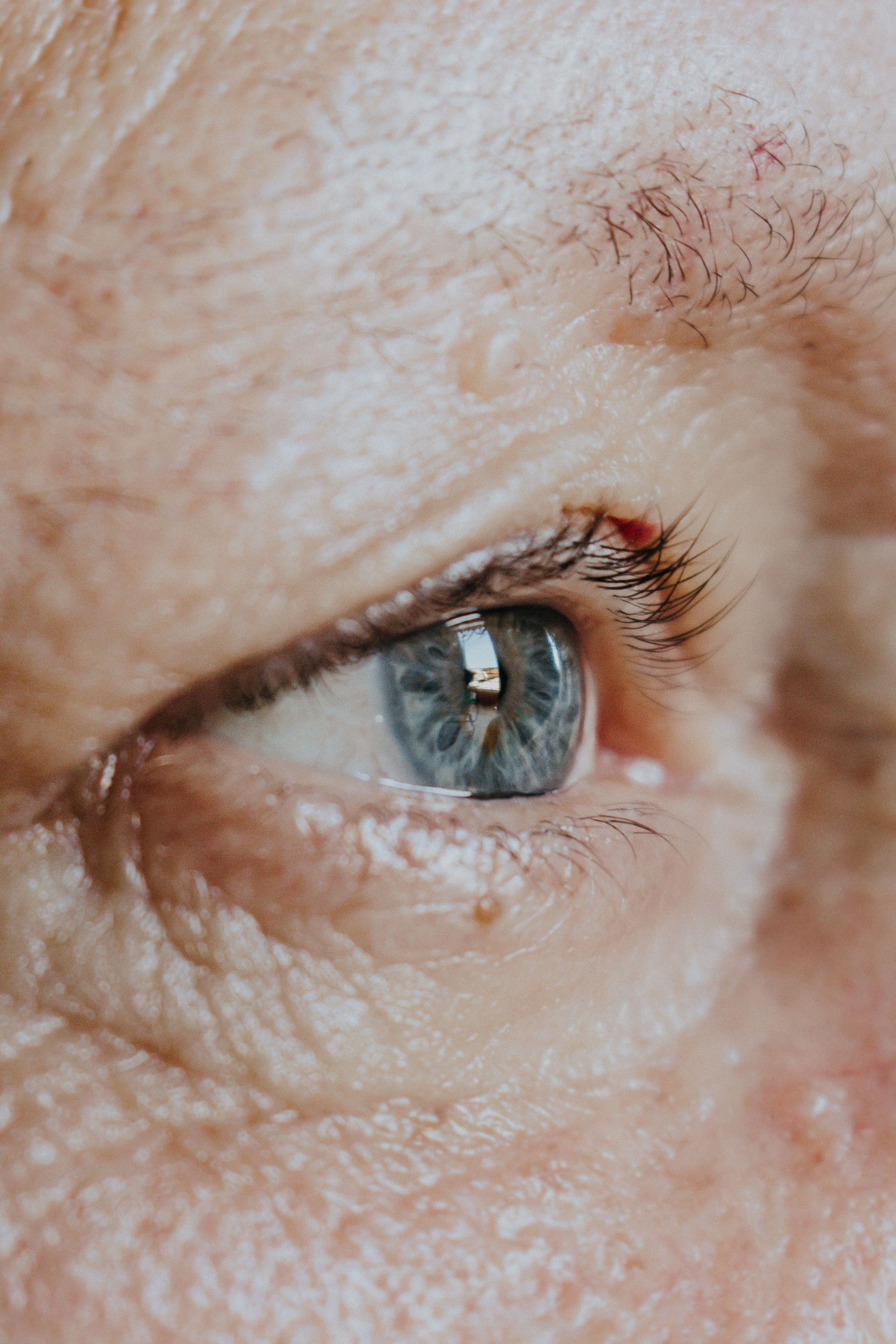
Actinic keratosis, often referred to as AK, is a common skin condition associated with cumulative sun exposure over time. These rough, scaly patches typically develop on areas of the skin that receive frequent sun exposure, such as the face, scalp, ears, neck, and hands.
Actinic keratosis is considered a precancerous condition because it has the potential to develop into squamous cell carcinoma if left untreated. For this reason, early identification and evaluation by a medical professional are important.
AK lesions often appear as:
- Rough or scaly patches
- Areas that feel dry or crusted
- Slightly raised or irritated spots
Because these lesions may feel rough before they are easily visible, many individuals notice them when washing or touching their skin.
Long-term sun exposure is the primary contributing factor. Years of cumulative UV exposure can lead to damage within the skin cells that eventually results in these lesions.
Preventive measures include consistent sun protection and routine skin examinations.
Clinical Insight
Many common skin growths such as skin tags, cherry angiomas, milia, and broken capillaries can often be safely treated using Lamprobe, a precise, non-invasive technology designed to remove minor skin irregularities without the need for surgical procedures. While Lamprobe can address many cosmetic concerns, we always encourage annual dermatological skin checks, especially for areas that are difficult to monitor such as the scalp, behind the ears, and other hard-to-see locations.
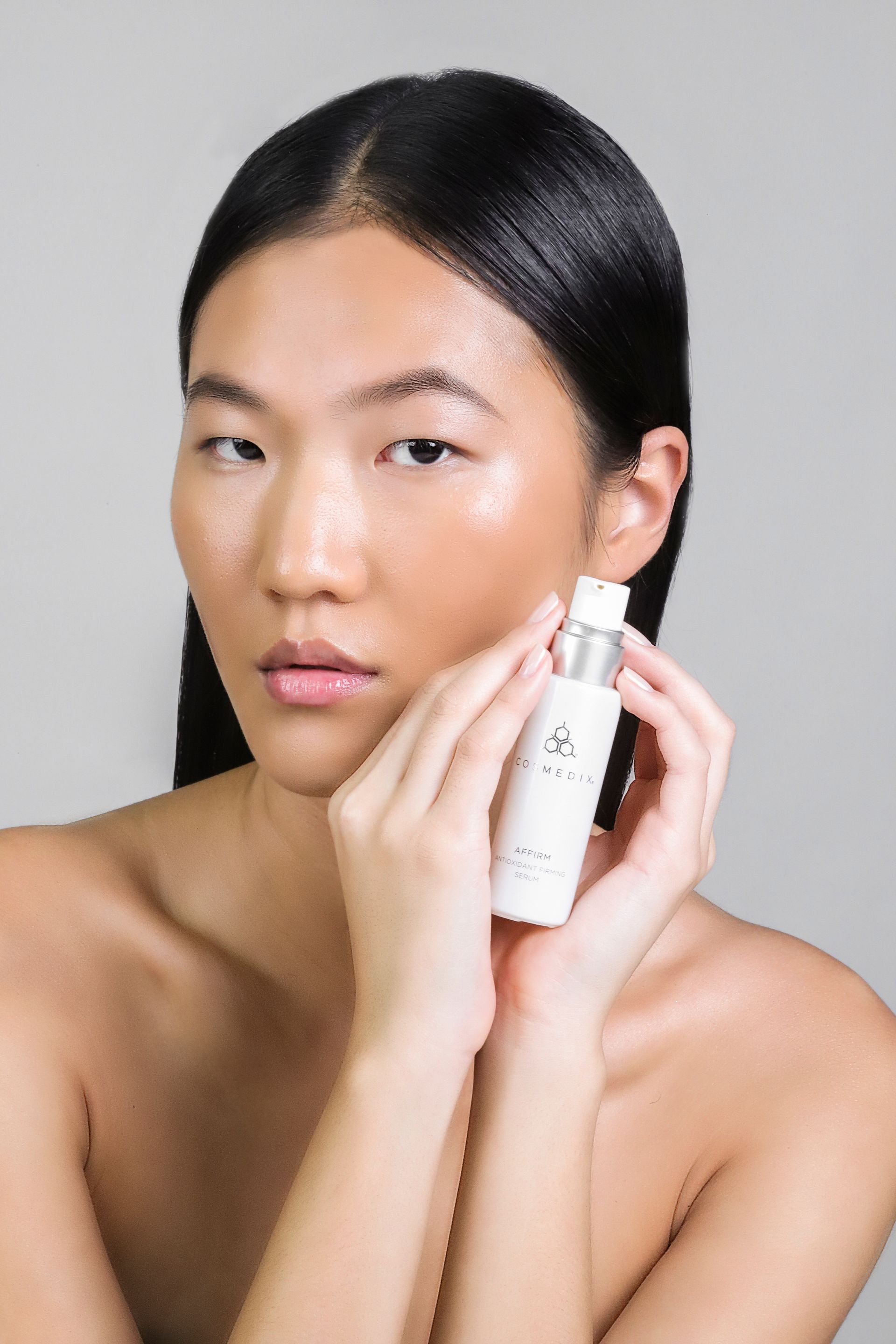
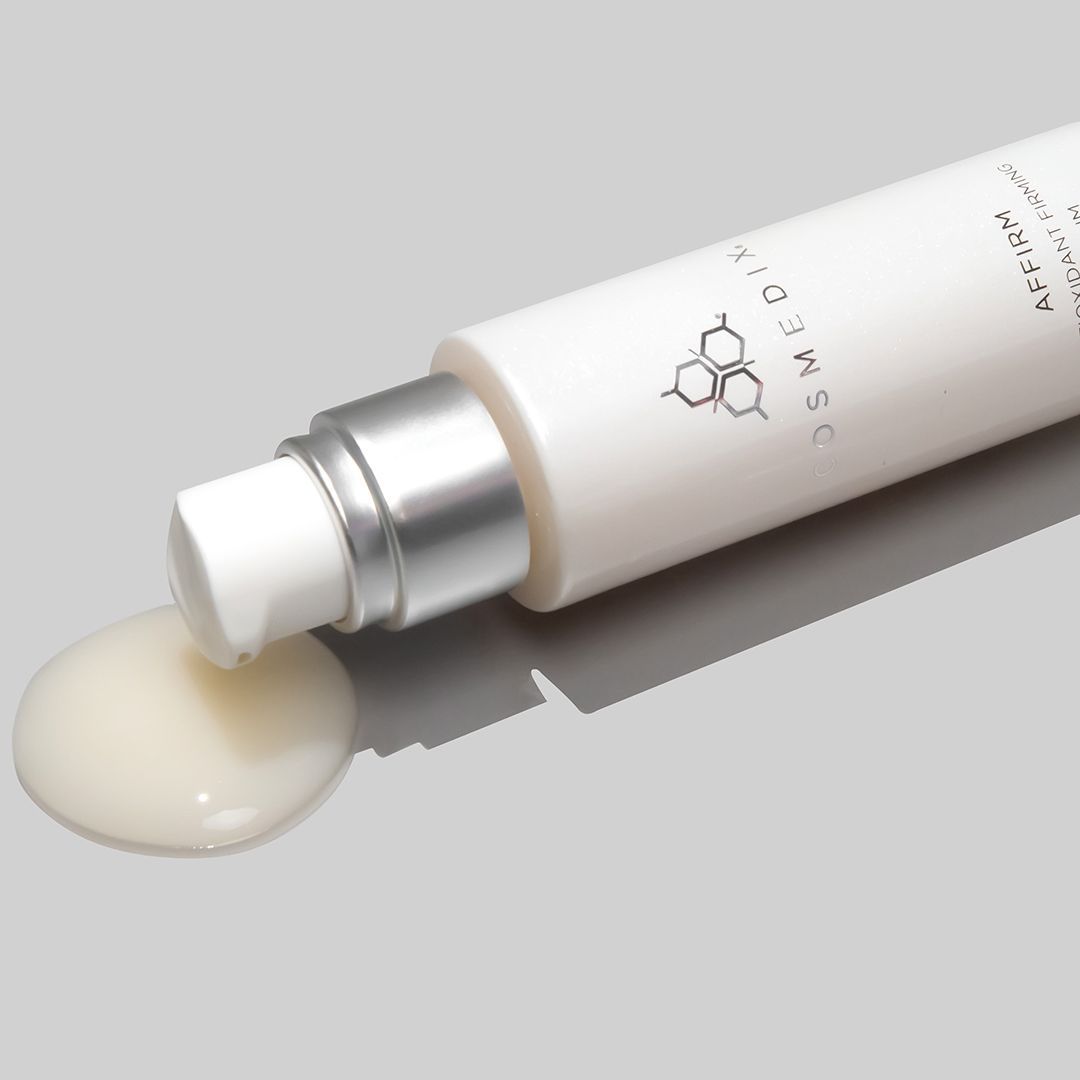
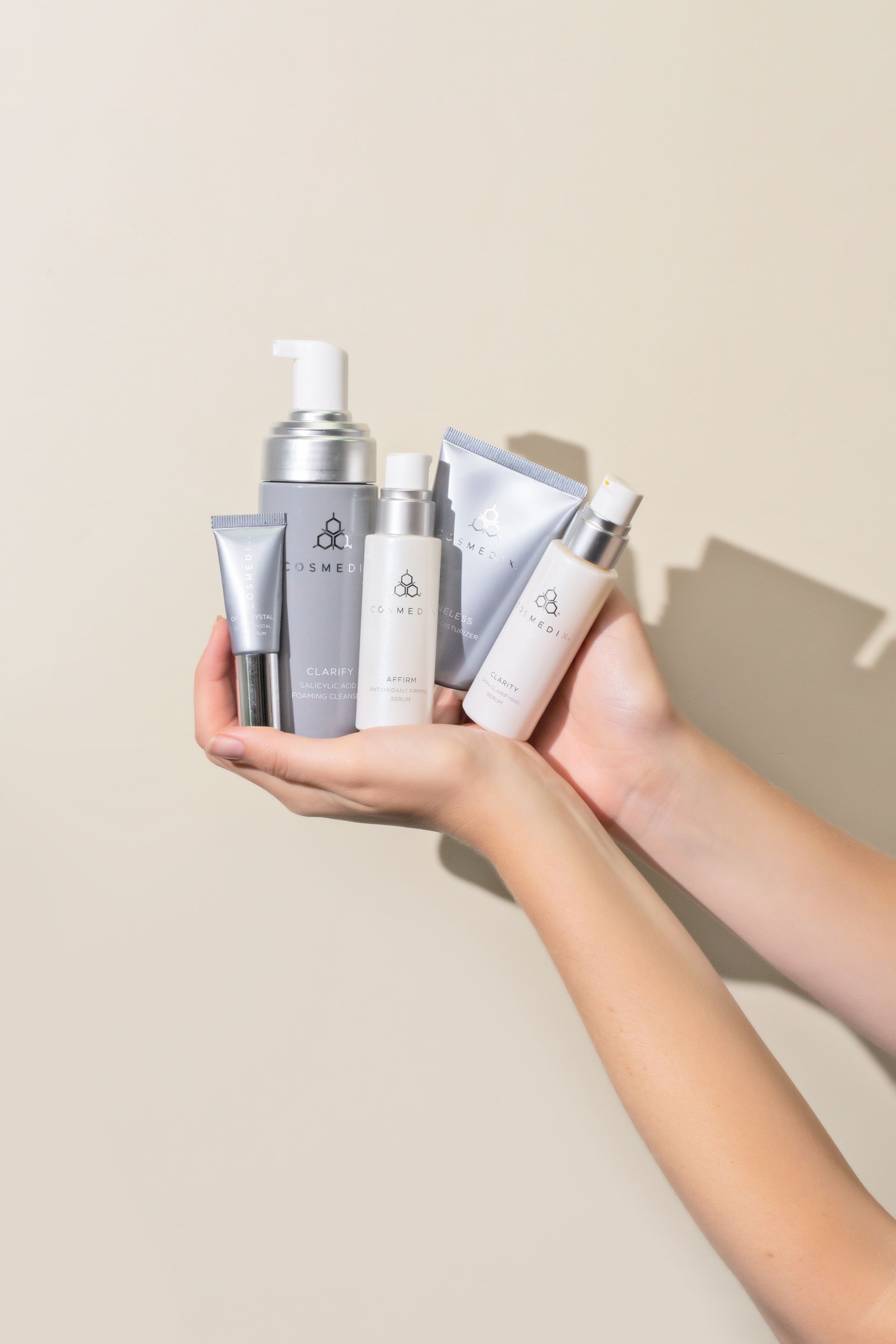
During months of increased sun exposure, supporting the skin with antioxidant protection becomes especially important. Professional guidance may include antioxidant-rich formulas such as Pepoxide, Affirm, Pure C, Revert, and Brilliancy, which help provide an additional layer of defense against environmental stress while maintaining skin clarity and brightness.
Visit our Lamprobe treatment page to learn more or schedule an appointment.
Professional skincare treatments may help improve the appearance of sun-damaged skin, but any suspicious lesions should always be evaluated by a dermatologist.
Maintaining awareness of sun-related skin changes is an important part of protecting overall skin health.
Not in Santa Rosa?
Book a Virtual Skin Consultation with Jody from anywhere in the U.S.